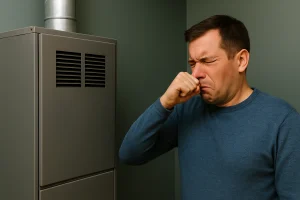




A furnace can produce occasional smells, particularly when it is turned on after sitting unused for an extended period. However, persistent, unusual, or strong odors should not automatically be ignored. Different smells can point to issues involving dust, electrical components, airflow, combustion, or other parts of the heating system.
Understanding what common furnace odors may mean can help homeowners recognize potential problems early. When an odor continues or is accompanied by unusual furnace behavior, contacting a qualified technician for furnace repair Orange County services can help determine the underlying cause.
Why Does a Furnace Produce Unusual Smells?
Furnaces contain electrical components, motors, filters, burners, heat exchangers, and other parts that can contribute to different odors. Some smells are temporary and relatively harmless, while others may indicate a problem that requires professional attention.
The key is to consider the type of smell, how long it lasts, whether it returns every time the furnace operates, and whether other symptoms occur at the same time.
A Burning Dust Smell After Turning on the Furnace
A dusty or slightly burning smell is common when a furnace starts operating after a period of inactivity. Dust can accumulate inside the system and on nearby components while the furnace is not being used. When the system heats up, that dust may burn off and create a temporary odor.
This smell should generally diminish as the furnace continues operating. If it remains strong or returns repeatedly, however, the system may need to be inspected.
A dirty air filter can also contribute to airflow problems and allow more dust to circulate through the heating system. Following the manufacturer’s recommendations for filter maintenance is an important part of furnace care.
What Does a Burning Plastic or Electrical Smell Mean?
A sharp burning-plastic, melting, or electrical odor deserves more attention. It could be associated with an overheating wire, motor, electrical connection, capacitor, circuit board, or another component.
Because electrical problems can create fire hazards, homeowners should avoid attempting to diagnose or repair internal electrical components themselves. If the smell is strong, persistent, or accompanied by smoke, unusual noises, or repeated shutdowns, turn the furnace off and seek professional assistance.
What If the Furnace Smells Like Gas?
A gas-like or rotten-egg odor should be treated as a potential gas leak rather than as a normal furnace smell. Natural gas itself is odorless, but an odorant is added to make leaks easier to detect.
If you smell gas or hear gas leaking, leave the home immediately and contact the appropriate local gas authority or emergency service from outside. The U.S. Consumer Product Safety Commission advises people not to operate electronics, including lights or phones, before leaving when they suspect a gas leak.
Do not return to the property until the situation has been evaluated and authorities indicate that it is safe.
A Furnace Smell Does Not Mean You Are Smelling Carbon Monoxide
One important distinction is that carbon monoxide cannot be detected by smell. It is a colorless and odorless gas that can be produced by fuel-burning appliances, including furnaces.
According to the CPSC, improperly maintained heating systems, defective or blocked venting, and other problems can contribute to carbon monoxide exposure.
This means a strange furnace odor should never be used as a way to determine whether carbon monoxide is present. Homes should have properly installed carbon monoxide alarms on every level and outside sleeping areas.
Why a Musty or Damp Furnace Smell May Matter
A musty odor can sometimes indicate dust, moisture, biological growth, or contamination within parts of the HVAC system. The smell may become more noticeable when the blower distributes air throughout the home.
A dirty filter, damp area around the system, clogged condensate components, or contaminated ductwork may contribute to unpleasant odors. A professional inspection can help determine whether the smell originates inside the furnace or somewhere else in the HVAC system.
What Does a Rotten or Burning Egg Smell Indicate?
A rotten-egg smell should not be dismissed as an ordinary furnace odor. If the smell resembles sulfur or rotten eggs and you have a gas-powered furnace, treat it as a possible natural-gas leak.
Leave the building without operating electrical switches or creating potential ignition sources, then contact the appropriate emergency or gas service from a safe location. Professional furnace service should only be performed after the immediate safety concern has been addressed.
When Should You Call for Furnace Repair?
Professional assistance is appropriate when an unusual odor:
- Continues after the furnace has been operating normally for a while
- Appears every time the furnace starts
- Becomes stronger over time
- Is accompanied by smoke or visible scorching
- Occurs alongside unusual noises
- Comes with repeated furnace shutdowns
- Is accompanied by poor heating performance
- Appears together with electrical problems
- Is associated with a suspected gas leak
The U.S. Consumer Product Safety Commission recommends annual professional inspection and servicing of fuel-burning heating systems, including furnaces and their vents and flues.
Do Not Ignore Changes in Furnace Performance
An unusual smell becomes more concerning when it appears alongside other changes. For example, a furnace that produces a burning odor while repeatedly shutting off may have a component that is overheating or experiencing another mechanical or electrical problem.
Likewise, strange smells combined with poor airflow, uneven heating, unusual noises, or difficulty starting can indicate that the system requires a closer inspection.
A technician can evaluate the furnace, identify the source of the odor, and determine whether cleaning, adjustment, component replacement, or another repair is appropriate.
Why Professional Diagnosis Matters
Trying to identify a furnace problem based only on smell can be difficult. Several different problems can produce similar odors, and some potentially serious hazards cannot be detected by smell at all.
A qualified technician can inspect components such as burners, electrical connections, motors, filters, ventilation, safety controls, and other furnace parts. Proper inspection is particularly important for fuel-burning equipment because combustion and venting problems can create carbon monoxide risks.
How Homeowners Can Help Prevent Furnace Odors
Regular maintenance can reduce the likelihood of certain furnace problems. Homeowners can follow the manufacturer’s recommendations for changing or cleaning filters, keep vents and registers unobstructed, and arrange professional maintenance at recommended intervals.
It is also important to keep carbon monoxide alarms operational. The CPSC recommends testing alarms regularly and having functioning alarms on every level of the home and outside sleeping areas.
Homeowners should also avoid attempting repairs involving gas lines, burners, combustion systems, or complex electrical components unless they have the appropriate professional training.
When Furnace Odors Require Immediate Action
Some situations should be treated as emergencies rather than routine maintenance. A suspected gas leak requires immediate evacuation and professional emergency assistance.
Similarly, if a carbon monoxide alarm sounds, do not attempt to locate the source yourself. The CPSC advises moving outside to fresh air, contacting emergency services or the fire department, and not reentering until authorities say it is safe.
Final Thoughts
Furnace odors can range from temporary dust smells to signs of mechanical, electrical, combustion, or ventilation problems. Learning to recognize the difference can help homeowners respond appropriately instead of ignoring a potentially important warning.
A brief dusty smell when a furnace is first switched on may disappear, but persistent burning, electrical, gas-like, or otherwise unusual odors deserve attention. When there is uncertainty about the source or the furnace is showing other performance problems, arranging professional furnace repair Orange County service can help identify the issue and restore safe, reliable heating.
